Identifying Termites and Termite Damage in Adelaide
Learn the real signs of termites in Adelaide homes: mud tubes, hollow timber, flying alates and damage patterns, plus what to do the moment you spot one.
Key takeaways
- The 4 most reliable signs are mud tubes, hollow-sounding timber, discarded wings after a swarm, and doors or skirting that stick without a plumbing cause.
- Most Adelaide termite damage is found by accident during renovations, not because a homeowner noticed anything unusual beforehand.
- A sign of termites is not a diagnosis. Several look-alikes (water damage, borers, normal timber movement) get misread as termite activity every year.
- If you find live termites or mud tubes, leave them undisturbed and get a licensed inspection. Disturbing the colony can push it deeper into the structure.
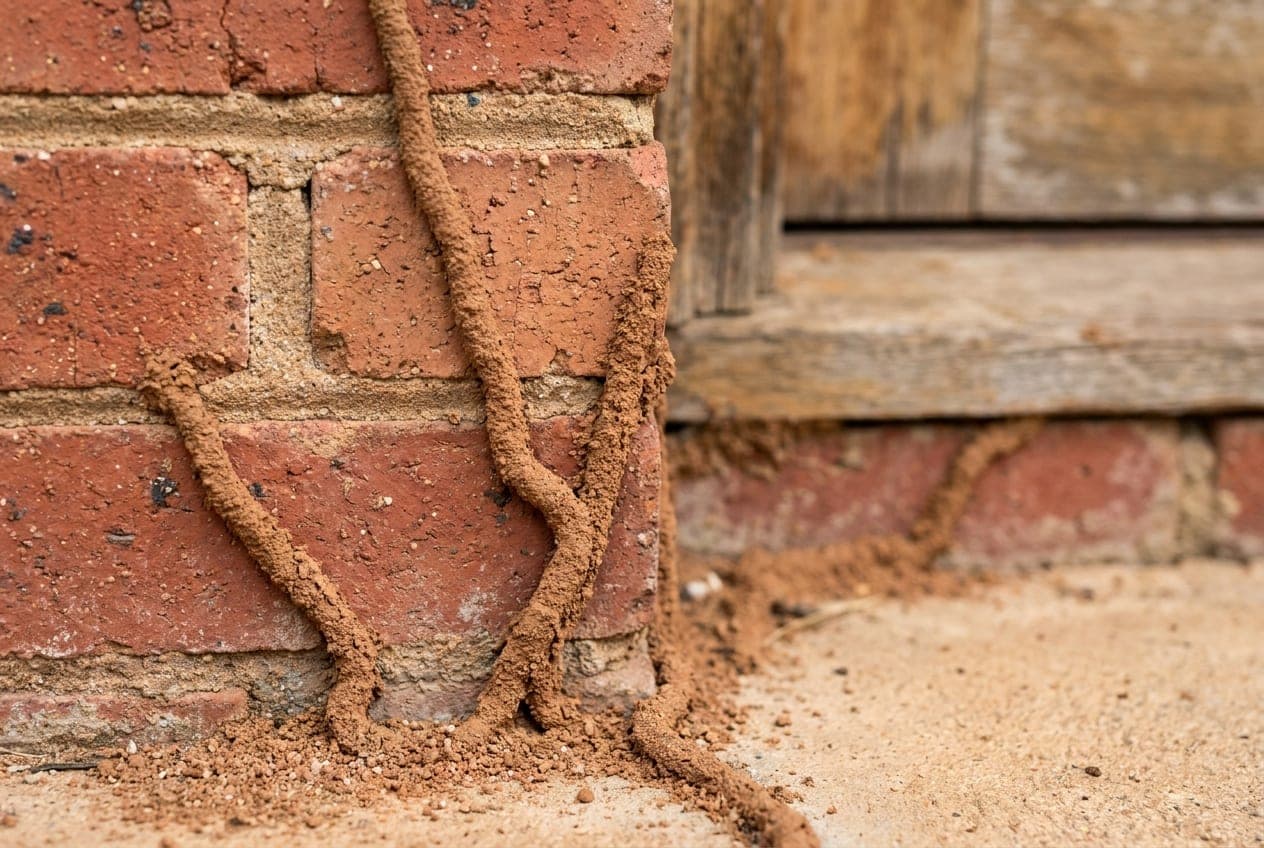
Signs of termites in an Adelaide home rarely look dramatic. The most common early indicators are pencil-thin mud tubes on foundation walls or piers, timber that sounds hollow or papery when tapped, doors and windows that jam without a plumbing cause, and a sudden cluster of discarded wings near a window sill after a warm, humid evening. None of these look urgent on their own, which is exactly why they get missed.
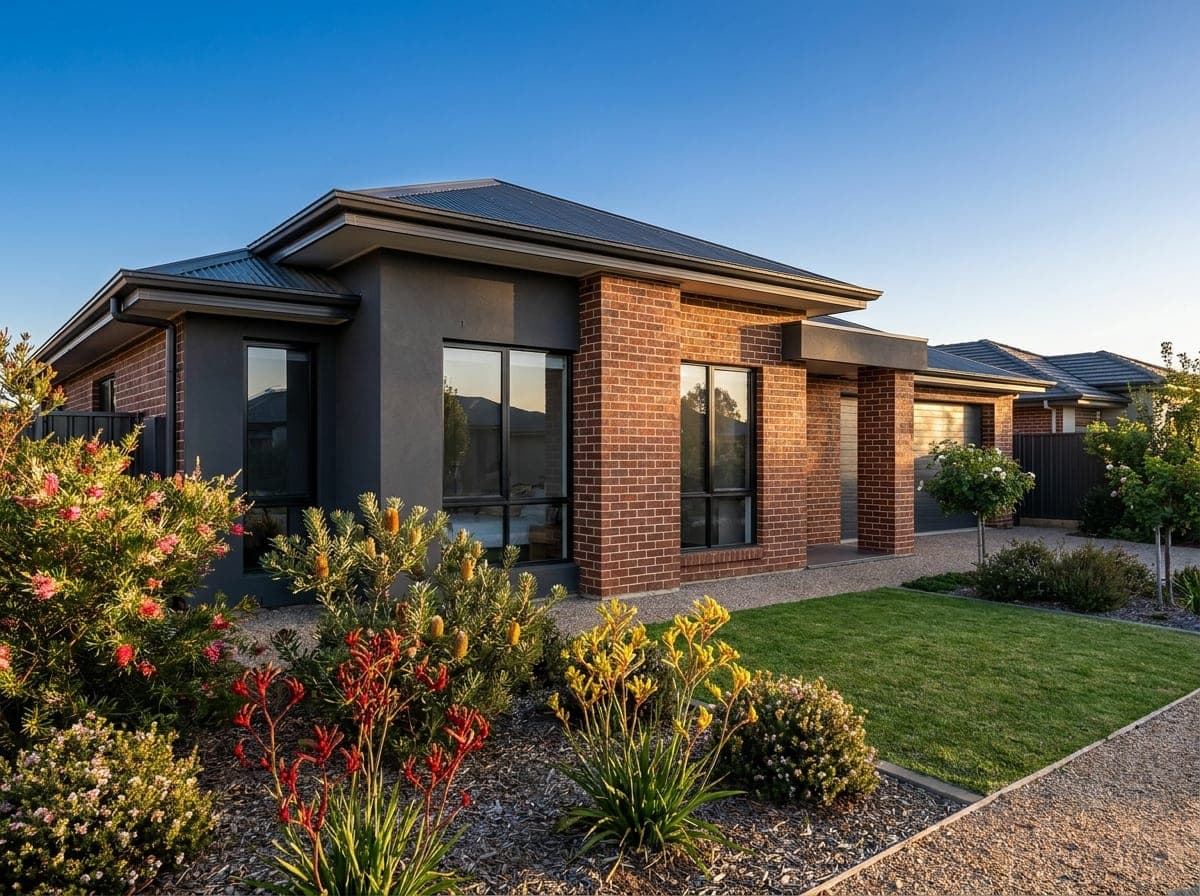
That last point matters more in Adelaide than most homeowners realise. This city's building stock skews old (a huge share of the metro area was built before 1980, on stumps or low-set slabs with subfloor timber that termites can reach without ever breaking the surface) and that means the visible signs above ground are usually the last thing to show, not the first. By the time a skirting board looks obviously wrong, the activity behind it has often been running for a season or more.
The signs that actually matter
Not every odd mark on a wall is termite activity, but these four are the ones worth acting on.
Mud tubes (shelter tubes)
Termites build these pencil-width tunnels of soil and saliva to travel between the ground and timber while staying hidden from light and predators. Look along foundation walls, brick piers, and subfloor timber, especially in dark, still-air spaces like under a bathroom or laundry. For a closer look at what to check and where, see what termite mud tubes look like and why they matter.
Hollow or papery-sounding timber
Termites eat timber from the inside, following the grain and leaving a thin, often blistered surface layer intact. Tap skirting boards, architraves, and door frames with a knuckle. A dull, hollow, or papery sound where you would expect a solid knock is worth having checked, particularly on ground-floor timber facing garden beds or retaining walls.
A swarm of flying termites (alates)
On warm, still evenings, especially after rain, a mature colony sends out winged reproductives to start new colonies. Finding a pile of shed, translucent wings on a windowsill or near an outdoor light is one of the clearest single indicators a colony is active nearby. Read what a flying termite swarm in Adelaide actually means for the full picture.
Doors, windows or skirting that jam or distort for no obvious reason
If a door has started sticking and there is no fresh paint, no plumbing leak, and no obvious swelling from moisture, damaged framing timber behind the architrave is worth ruling out.
What Adelaide homeowners consistently misjudge
Here is the counterintuitive part: the sign homeowners fixate on (visible wood damage on furniture or skirting) is usually the least useful indicator, because by the time damage is visible on a painted surface, the colony has typically been established for a long time. The signs worth training your eye on are the quieter structural ones: subfloor mud tubes, a slightly springy floor near an external wall, or skirting that sounds different in one section than the rest of the room. I've seen far more Adelaide infestations caught first by a plumber or electrician working under a house than by a homeowner noticing anything from inside a lived-in room. If your home has manhole access to the subfloor, that is the single most useful five minutes of inspection most owners never do.
It is also worth being specific about geography. Homes on clay-heavy soils around the Adelaide Plains hold moisture against foundations for longer after rain, which keeps subterranean termites active closer to the surface for more of the year. Hillier suburbs with sandier, better-draining soil see less of that moisture pressure but more termite movement through retaining walls and garden timber. Neither profile is "safe", they are just different risk patterns, which is covered in more depth at why Adelaide Hills homes get more termite pressure and which Adelaide suburbs and homes are most at risk.
Signs that get confused with termites
A few common look-alikes cause unnecessary panic, or worse, false reassurance.
Water damage
Water-stained timber and termite-damaged timber can look similar at a glance (both leave discolouration and softening) but the damage patterns differ. Water damage tends to follow a moisture source and spreads outward in a stain pattern. Termite damage follows the timber grain in tunnels and galleries. If you are unsure which you are looking at, termite damage versus water damage: how to tell walks through the distinction.
Borers and other timber pests
Small round exit holes with fine dust (frass) underneath usually point to timber borers, not termites, which leave mud-packed galleries rather than clean holes. The treatment approach is different for each, so correct identification matters before anyone acts.
Ordinary seasonal timber movement
Adelaide's summer-to-winter humidity swing genuinely does make doors and windows tighten and loosen through the year. A door that sticks every winter and frees up every summer is more likely seasonal movement than termite damage. A door that sticks and stays stuck, or that develops a new problem in a previously fine spot, is the pattern worth checking.
If you spot a sign, do this next
Leave any mud tube or visible termite activity completely undisturbed. Disturbing a colony (spraying it, breaking a tube, or removing damaged timber before assessment) often just causes it to relocate deeper into the structure, and it removes the evidence a technician relies on to map how far the activity extends. The CSIRO's guidance on termite management in Australian buildings backs this up: identification and treatment planning should happen before any DIY intervention, not after.
The next step is a proper inspection, not a guess from a photo. We connect Adelaide homeowners with licensed local technicians who can confirm what you are looking at, assess how far it has spread, and recommend the right termite treatment for the situation, whether that is a chemical barrier, a baiting system, or ongoing monitoring. For a broader look at species you might be dealing with, common termite species in South Australia and termites versus white ants are useful background reading, and if you want the full identification picture in one place, start with 12 signs you have termites, and what to do next.
Common questions homeowners ask before booking an inspection
Most people searching for signs of termites are trying to work out whether their situation is urgent or whether it can wait. A useful rule of thumb: live termites, fresh mud tubes, or a recent swarm all warrant booking an inspection within days, not months. Older, dry, abandoned mud tubes with no other symptoms are lower urgency but still worth confirming, since a colony can go dormant in one area and resume activity in another. For guidance on what not to do the moment you find something, see found termites? What not to do, and for the subtler physical cues, hollow-sounding timber and other early warning signs covers the detail this article only summarises.
Termites are common in Adelaide and finding a sign of them is not a crisis. It is a prompt to get a licensed technician to confirm what is actually happening before deciding on treatment. According to the South Australian Government's guidance on termite protection for buildings, regular checks matter more in this state's older housing stock than in newer builds with modern barrier systems already installed, which is one more reason not to wait once you have spotted something worth checking.
Ready to get quotes from licensed technicians?
Tell us about your problem and we match you with a vetted local operator. Free, no obligation.
Get free quotesFrequently asked questions
For most Adelaide homes it is a mud tube running up a foundation wall, pier, or subfloor timber, since that is where an inspector or tradesperson is most likely to spot it. Homeowners themselves more often notice a door that suddenly sticks or a skirting board that sounds hollow when tapped.
Yes, and it is the norm rather than the exception. Termites travel through soil and wall cavities specifically to avoid light and detection, so a colony can work through structural timber for years before any visible sign appears on a painted or carpeted surface.
Occasionally. In a quiet room you may hear a faint clicking or rustling from soldier termites, which bang their heads against tunnel walls as an alarm signal. It is subtle and easy to miss over normal household background noise.
No. Breaking a mud tube or spraying visible termites usually just causes the colony to reroute and rebuild access elsewhere in the structure, and it destroys the evidence a technician needs to work out how far the infestation has spread. Leave it alone and arrange an inspection.