Reticulation vs Barrier vs Baiting: Cost Compared
Reticulation, chemical barrier or baiting: how the three termite treatment methods compare on upfront cost and ongoing fees for an Adelaide home, and which suits when.
Key takeaways
- A chemical barrier is usually the lowest upfront cost on a slab home, roughly $2,500 to $4,500 for an average home.
- Baiting has a similar install cost ($2,500 to $4,000) plus $300 to $700 a year in monitoring.
- Reticulation costs more to install ($3,500 to $6,500) but is the cheapest to refresh later, best value during a build.
- Over several years the totals converge, so choose on suitability for your home, not just the sticker price.
On upfront cost, a chemical barrier is usually the cheapest termite treatment for a slab Adelaide home (roughly $2,500 to $4,500 for an average home), baiting sits at a similar install price but adds an annual monitoring fee, and reticulation costs more to install but is the cheapest to refresh later. Over several years those totals converge, which is why the right choice comes down to what suits your home rather than which sticker price is lowest.
Adelaide Pest Treatment connects you with licensed local technicians and never performs the work. Here is the three-way comparison in plain terms. For the full ranges, see the termite treatment cost guide.
Chemical barrier: lowest upfront on a slab home
A chemical soil barrier creates a continuous treated zone around and under the home. For an average slab home it is typically $2,500 to $4,500, mostly paid upfront, with an effective life of commonly 5 to 8 years. It protects the whole home at once, which is why it is the default on many Adelaide slab homes. The main cost variable is access: a paved-in home costs more because of the drilling required.
Baiting: spread through monitoring
A bait system costs around $2,500 to $4,000 to install with the first year of monitoring, then $300 to $700 a year ongoing. The spend is spread over time, and the monitoring is what keeps it working. Over five or six years the total can be close to a barrier's. Baiting wins on suitability for pet-sensitive, edible-garden and subfloor homes, where its low chemical use and low disturbance matter.
Reticulation: dearest to install, cheapest to refresh
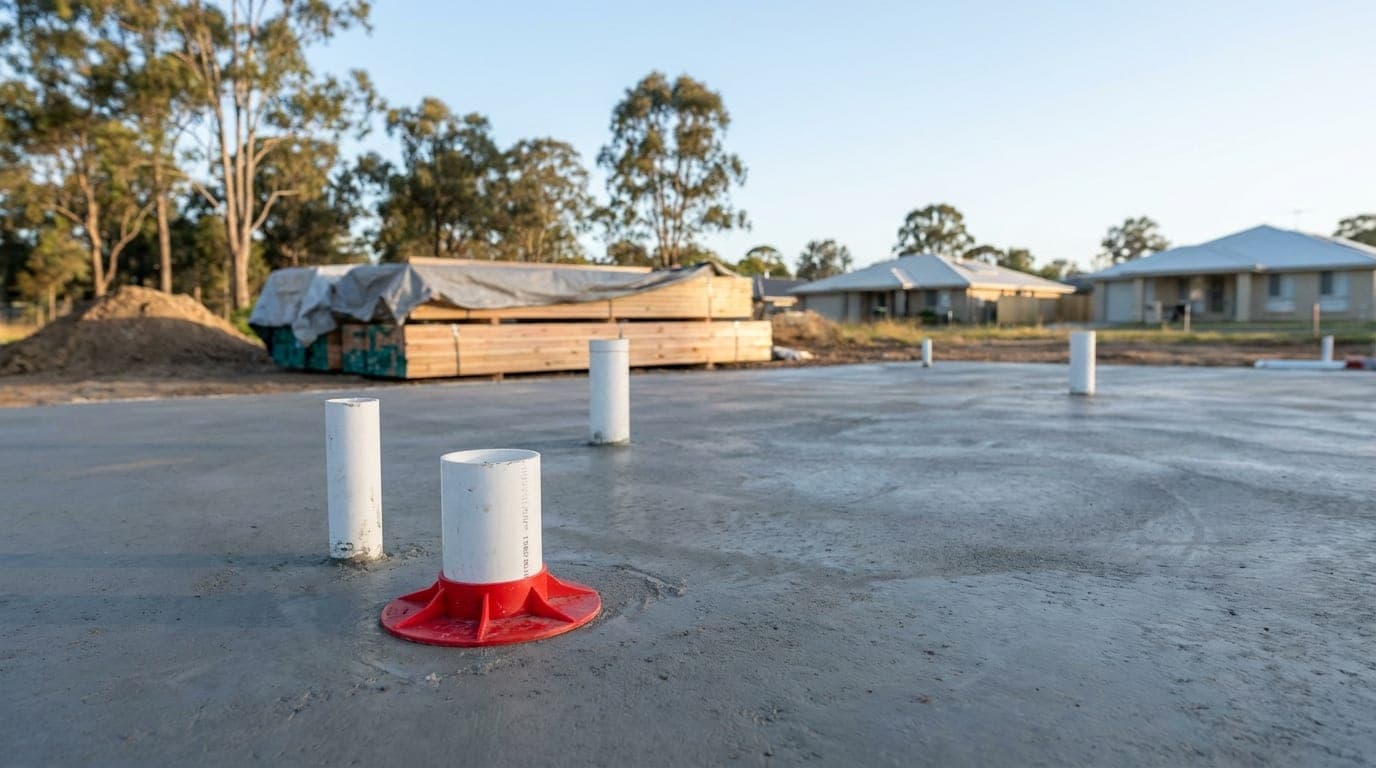
Reticulation is a built-in pipe network in the soil that lets a technician top up the chemical zone without re-trenching. It costs more upfront (roughly $3,500 to $6,500) but is the most cost-effective over the long term, because refreshes are cheap. The catch is timing: it is far cheaper to install during a build or major renovation than to retrofit. For a new home on a northern Adelaide estate, reticulation often makes the most long-term sense.
How they compare over time
The trap is comparing only the upfront numbers. A barrier looks cheapest on day one, but a reticulation system may cost less over 15 years once you count refreshes, and baiting's ongoing fee buys continuous monitoring a barrier does not provide. Think in terms of the total cost of protecting the home over the years you will own it, not just the install invoice.
Match the method to your home
Because the totals converge, suitability should drive the decision. Slab homes lean toward a barrier or reticulation; subfloor and pet-conscious homes lean toward baiting. The termite treatment method selector gives you a starting recommendation in 4 questions, and a licensed technician confirms it on site. Tell us about your home and we will connect you with a vetted operator to quote your preferred method.
Ready to get quotes from licensed technicians?
Tell us about your problem and we match you with a vetted local operator. Free, no obligation.
Get free quotesFrequently asked questions
On upfront cost, a chemical barrier is usually cheapest for a slab home. But baiting adds an annual monitoring fee and reticulation costs more to install, so over several years the totals move closer together. The best value depends on your home, not just the sticker price.
It can be, especially if it goes in during a build or major renovation, because it lets a technician refresh the chemical without re-trenching. Retrofitting reticulation to an existing home is dearer, which is why timing matters.
A barrier is mostly upfront with an effective life of several years. Baiting spreads a smaller ongoing cost through annual monitoring. Over five or six years the totals can be surprisingly close, so the decision usually comes down to suitability.
Slab homes often suit a barrier or reticulation; subfloor and pet-sensitive homes often suit baiting. A licensed technician confirms the right method on site. The method selector tool gives you a starting recommendation.