Eco-Friendly and Pet-Safe Pest Treatment Options
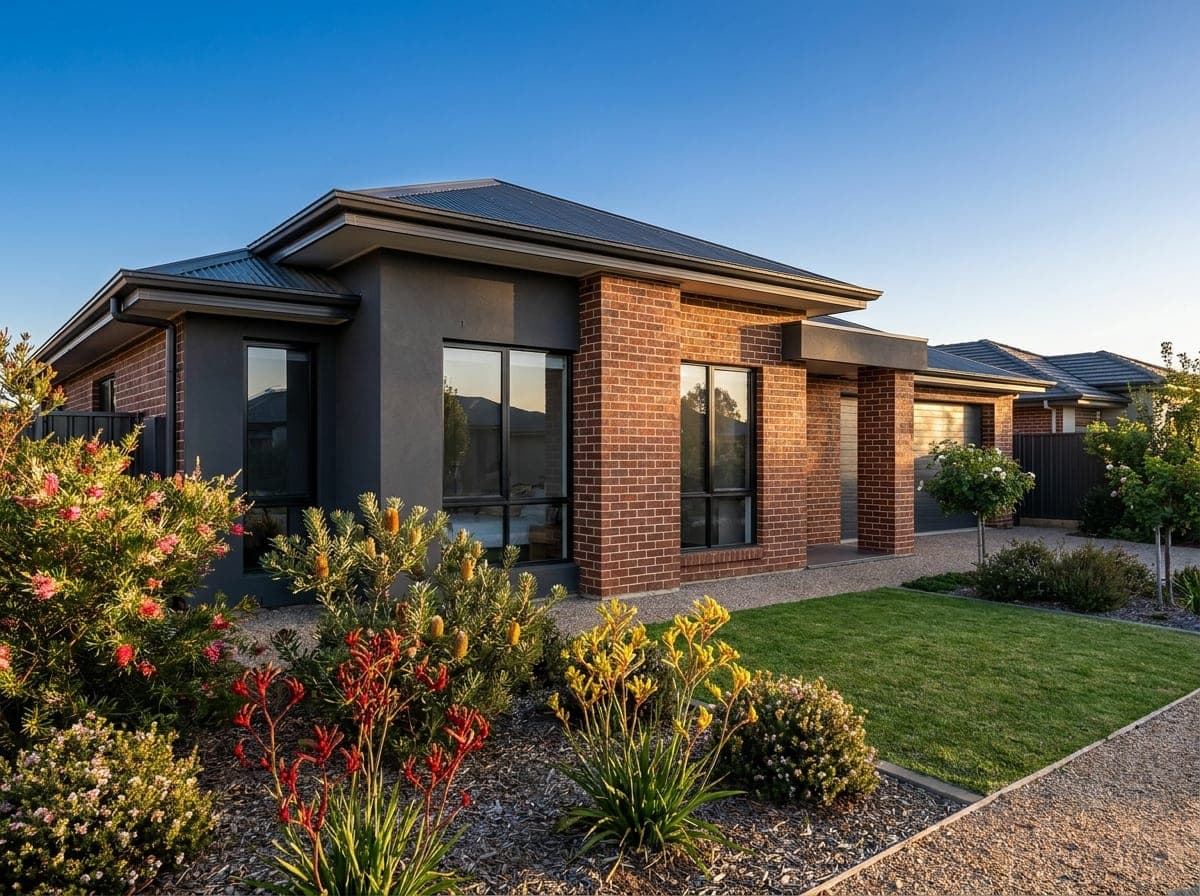
Eco friendly pest treatment in Adelaide uses low-toxicity, targeted products and application methods that control pests while keeping kids, pets and gardens safe.
Key takeaways
- Eco-friendly pest treatment relies on low-toxicity, targeted products and precise application, not on doing less pest control.
- Bait stations and gel formulations often out-perform broad-spectrum spraying for cockroaches and ants while using less active ingredient overall.
- Pet safety comes from product choice, placement and drying time working together, not from any single 'natural' label.
- Adelaide's older, timber-floored homes and small courtyard gardens change what an eco-conscious treatment plan should look like.
Eco-friendly pest treatment means using low-toxicity, targeted products (baits, gels and precision-applied formulations) instead of broad-spectrum spraying, so pests are controlled with less chemical volume and less exposure risk to kids, pets and gardens. It is not a softer version of pest control, it is a more selective one.
That distinction matters because a lot of homeowners assume "eco-friendly" means accepting a weaker result. It doesn't. The shift is in method, not effort.
What "eco-friendly" actually means in pest control
Three things typically define an eco-conscious pest treatment plan:
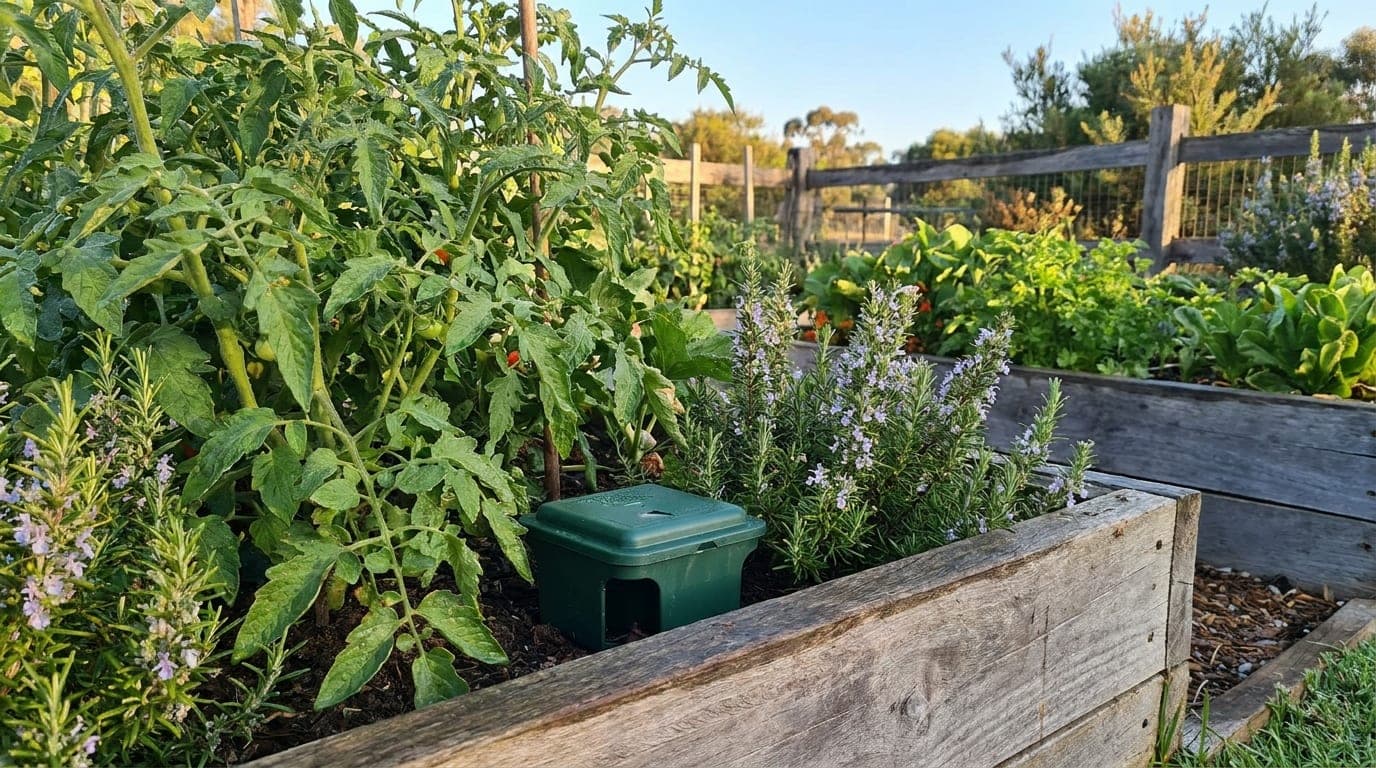
- Targeted application: gel baits and bait stations placed directly on pest travel routes, rather than perimeter sprays covering every surface a person or pet might touch.
- Lower-toxicity active ingredients: products formulated to break down faster in the environment, chosen because they still do the job on the target pest.
- Reduced total chemical load: less product used overall because it is placed where it counts, not spread everywhere "just in case."
None of this is a compromise on outcome. For cockroaches and ants in particular, gel baiting is often the more effective method precisely because the pest carries the bait back to the nest, wiping out the colony rather than just the individuals a spray happens to touch.
Where eco-friendly methods work best
Not every pest problem responds the same way to a low-toxicity approach, and a good technician will say so plainly rather than force-fit one method to every job.
Cockroaches and ants
This is where eco-friendly methods shine. Gel baiting and station-based programs consistently outperform surface spraying because these pests are colony-based: killing the ones you can see does nothing if the nest survives. The licensed technician matched through cockroach treatment will typically favour bait placement in roof voids, wall cavities and under-sink areas over blanket spraying of kitchen benches.
Spiders
Low-toxicity residual treatments around eaves, window frames and garden beds handle most spider activity without needing heavy internal spraying, especially relevant for households with young children who spend time on floors and in garden areas.
General household pests
Ants entering through skirting boards or window tracks are one of the most common Adelaide callouts, and a targeted approach covering entry points (rather than open-plan spraying) reduces both chemical exposure and the pest population more reliably. If ants are the immediate issue, How to Get Rid of Ants in the House covers the entry-point logic in more detail.
Termites
Termite treatment is the exception worth being upfront about. Structural termite protection is governed by Australian Standard AS 3660, and the barrier and baiting chemicals used for long-term protection are selected for durability and compliance, not for an eco label. There is more flexibility here than people assume though. Baiting systems generally involve less soil disturbance and lower ongoing chemical volume than a full chemical barrier, so if minimising chemical footprint matters to you, that trade-off is worth raising directly with the technician. Whether termite treatment is safe around the household in the meantime is answered in Is Termite Treatment Safe for Kids and Pets?
The Adelaide-specific detail most homeowners miss
Adelaide's housing stock skews older than other capitals, particularly in the inner suburbs and foothills, and that changes what "eco-friendly" should mean in practice. A lot of bungalow and villa-style homes built before the 1970s have suspended timber floors with subfloor access, and that subfloor space is exactly where broad-spectrum spraying gets wasted: it settles on soil and timber bearers that no cockroach or ant ever crosses, while the actual entry points (pipe penetrations, weep holes, the gap where the slab meets the timber frame) go untreated.
The counterintuitive lesson from working across these older Adelaide homes: a genuinely eco-conscious treatment plan almost always uses less product than a standard one, not because it's diluted, but because a technician who actually inspects the subfloor and roof void first can place bait at three or four precise points instead of spraying the whole perimeter. Skipping that inspection step is the single biggest reason "eco-friendly" treatments get a reputation for not working, when the real issue was a lack of targeting, not a weaker product.
Making it genuinely pet-safe, not just labelled that way
A product being low-toxicity does not automatically make a treatment plan pet-safe. Three things need to line up:
- Placement: bait stations and gels need to sit where curious pets and toddlers cannot reach them, even though the pest itself needs access.
- Drying and re-entry time: any surface treatment needs to fully dry or cure before pets are allowed back into the room, which the technician will specify on the day rather than leaving to guesswork.
- Product choice matched to the household: a home with an inquisitive puppy needs different bait placement to a home with cats that don't touch the floor near skirting boards.
This is the kind of detail worth raising directly when you're matched with a technician. The eco-friendly pest treatment service pairs you with a licensed operator who can talk through exactly which products and placements suit a household with pets or small children, rather than applying a one-size-fits-all program.
For general guidance on pesticide safety around the home, the Australian Pesticides and Veterinary Medicines Authority (APVMA) publishes consumer information on approved products and safe use, worth a look if you want the regulatory backdrop rather than take a supplier's word for it.
What to ask before you book
A short conversation up front saves a repeat callout later. Worth confirming:
- Which pests are being targeted, since the "eco-friendly" method differs for cockroaches versus spiders versus ants.
- Whether the plan involves bait stations, gel, or residual spray, and where each will be placed.
- Re-entry time for pets and children after any surface application.
- Whether a subfloor or roof void inspection is included, since that is what makes targeted baiting actually effective in older Adelaide homes.
If cost is the deciding factor between a full chemical approach and a more targeted, lower-volume program, the pest treatment quote calculator gives a fast comparison before you commit either way.
The bottom line
Eco-friendly pest treatment in Adelaide is a legitimate, often more effective method rather than a lesser one, provided it is matched to the right pest and applied by someone who inspects before they treat. The technician you are matched with can confirm which approach suits your specific pest issue, your home's construction, and anyone (two-legged or four) who needs to walk through the treated areas safely.
Ready to get quotes from licensed technicians?
Tell us about your problem and we match you with a vetted local operator. Free, no obligation.
Get free quotesFrequently asked questions
Yes, when it is matched to the pest. Targeted baiting and low-toxicity formulations control cockroaches, ants and spiders as effectively as broad-spectrum sprays in most Adelaide homes, because the products are placed exactly where pests feed or travel rather than sprayed across surfaces the pest may never touch.
Most low-toxicity treatments are safe for pets once surfaces have dried, which the licensed technician will confirm on the day, but bait stations and gels still need to be placed out of paw and mouth reach since the product itself is designed to attract pests.
Termite treatment has fewer eco-friendly substitutes than general pest control because barrier and baiting chemicals are chosen for long-term structural protection under Australian Standards, but the technician can still discuss lower-odour, low-disturbance options such as baiting systems over full chemical barriers where the site allows it.
Pricing is usually similar because the cost driver is technician time and product application, not whether the formulation is labelled eco-friendly, though highly targeted baiting programs for large infestations can involve a few more visits than a single broad spray.